Where Desert Meets Ocean: A Journey Through Namibia’s Contrasting Worlds
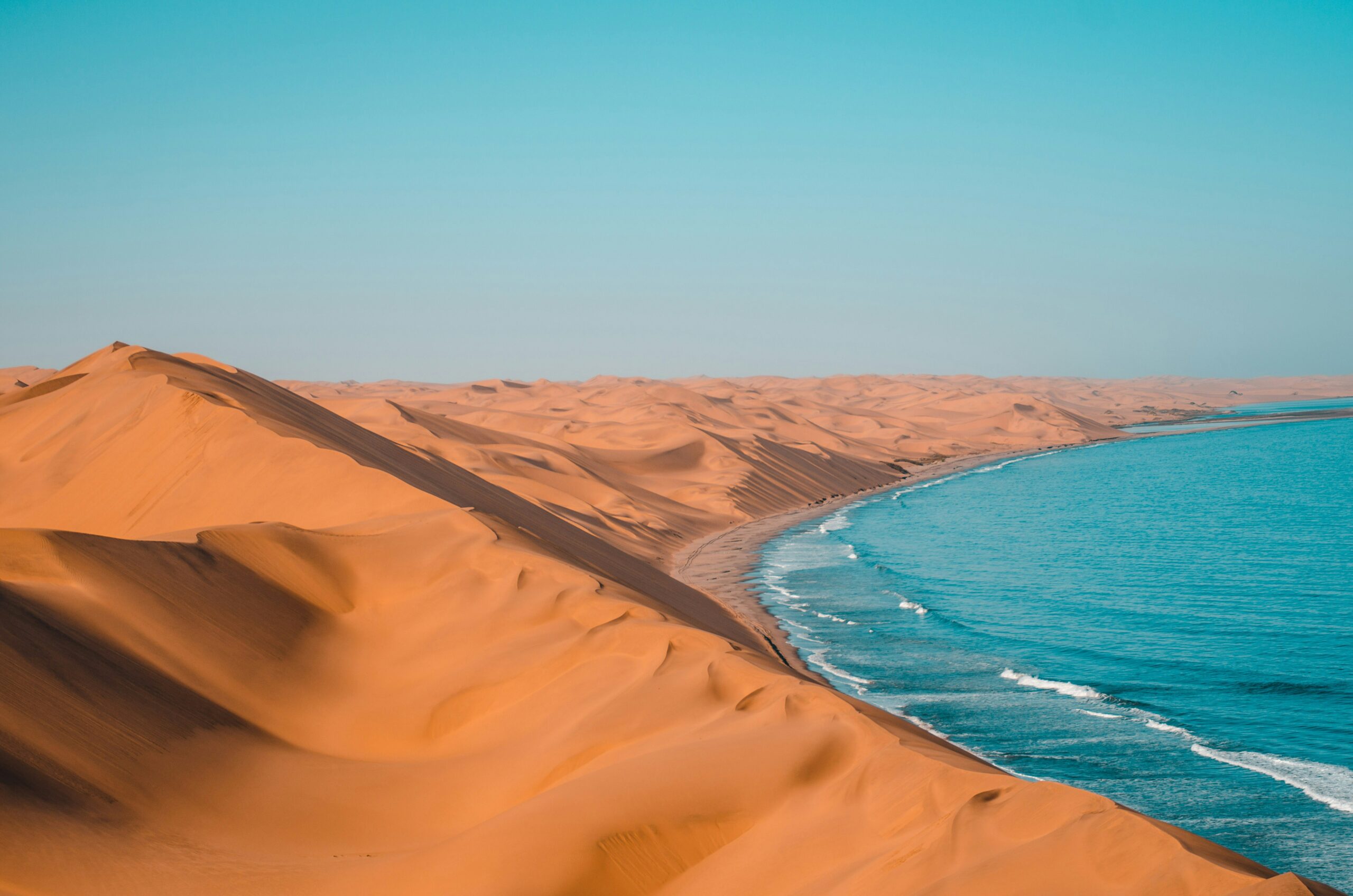
In a land where towering sand dunes cascade into the Atlantic Ocean and desert-adapted wildlife roams ancient landscapes, Namibia stands as a testament to nature’s most dramatic contrasts. This extraordinary journey takes travelers through nine distinct regions, each offering its own mesmerizing story.
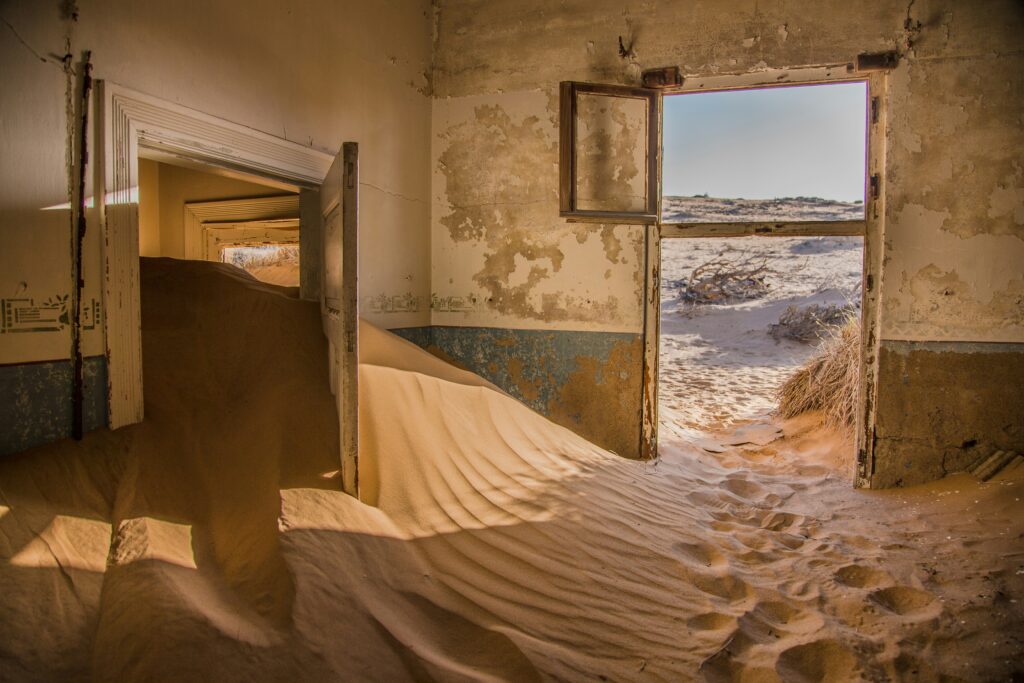
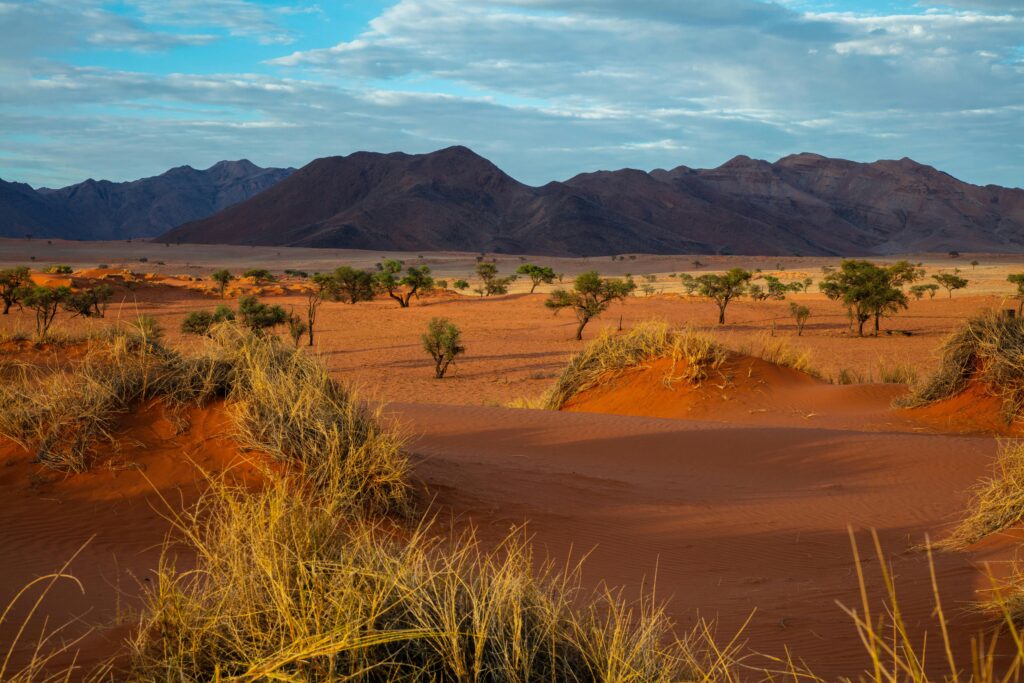
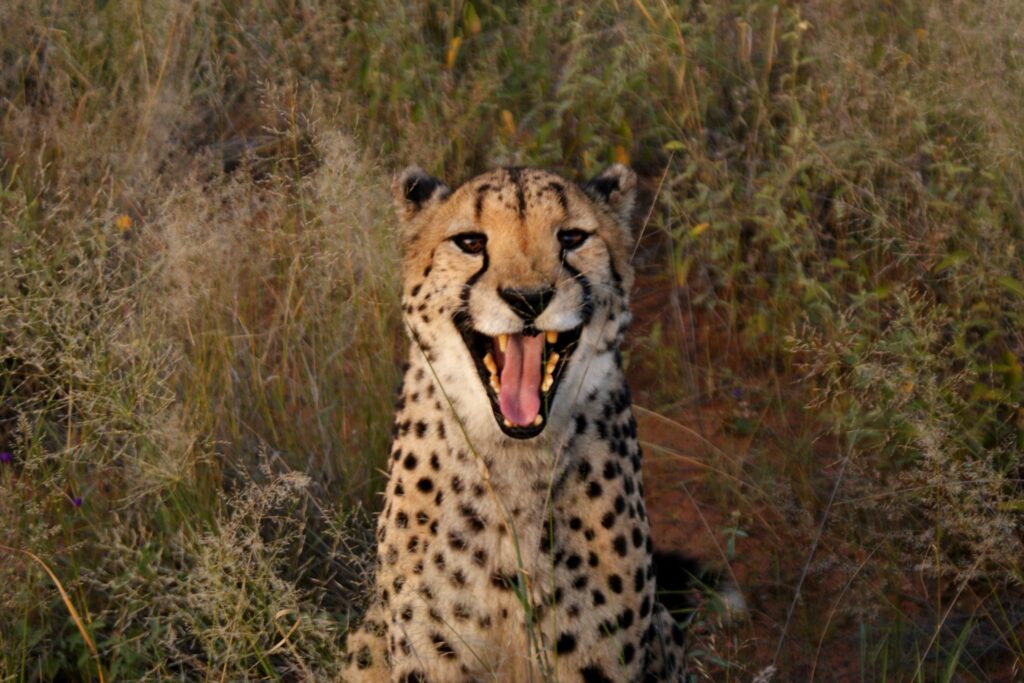
Beginning in Otjiwarongo, the “Place of Cattle,” visitors first encounter Namibia’s agricultural heartland before venturing to the acclaimed Okonjima Nature Reserve. Here, the AfriCat Foundation provides an intimate glimpse into big cat conservation, offering unparalleled opportunities to track rehabilitated cheetahs and leopards in their natural habitat.
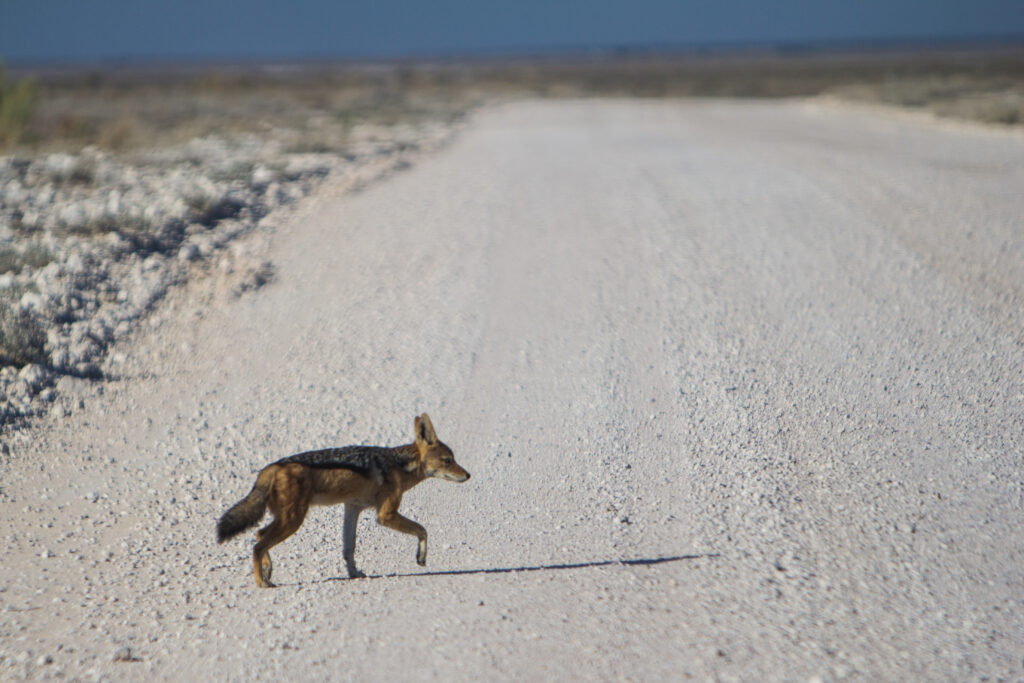
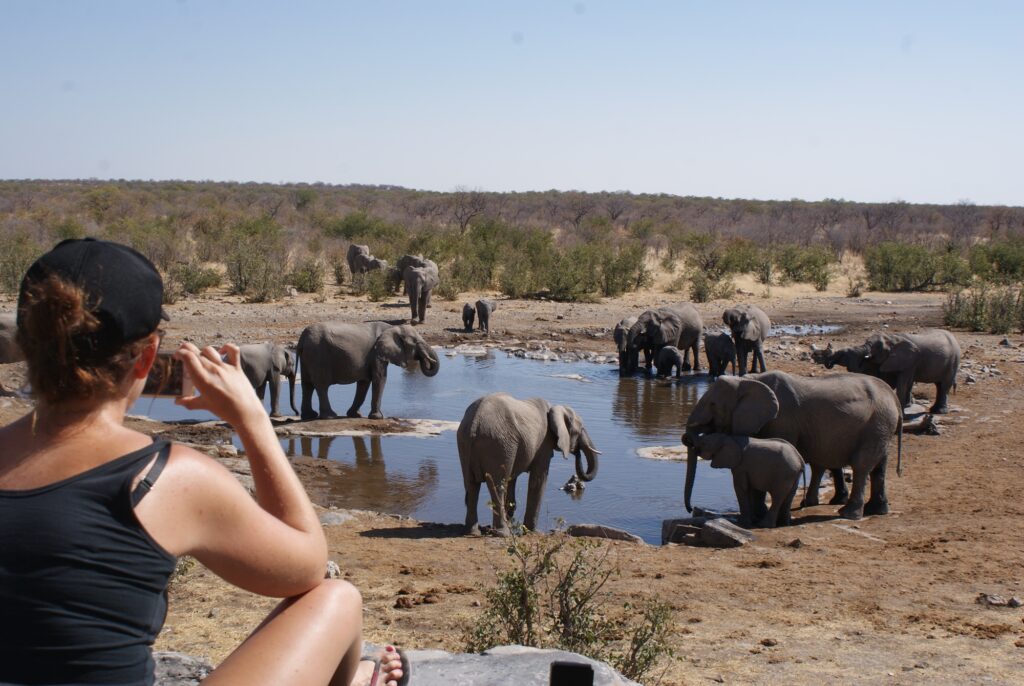
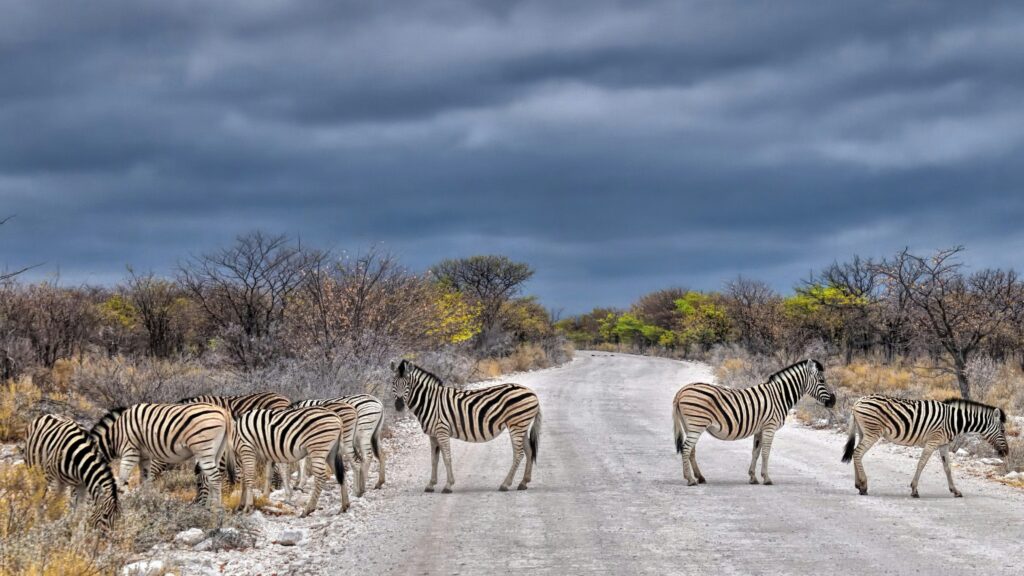
Etosha South unveils Africa’s wildlife theater at its finest. Around the shimming salt pan – so vast it’s visible from space – elephants, rhinos, and lions congregate at waterholes in a daily drama of survival. The game viewing here rivals any safari destination in Africa, with the unique backdrop of Etosha’s stark white landscape.
As you journey to Palmwag, the scenery transforms into rugged beauty where desert-adapted elephants and black rhinos have evolved to thrive in seemingly impossible conditions. This harsh yet beautiful landscape tells a story of resilience and adaptation.
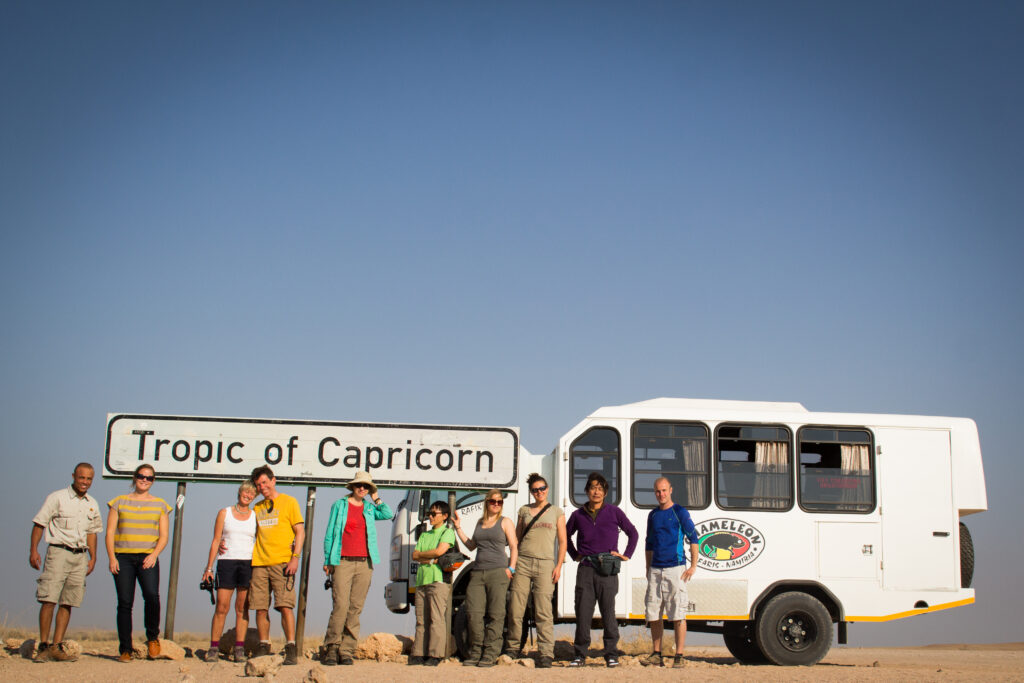
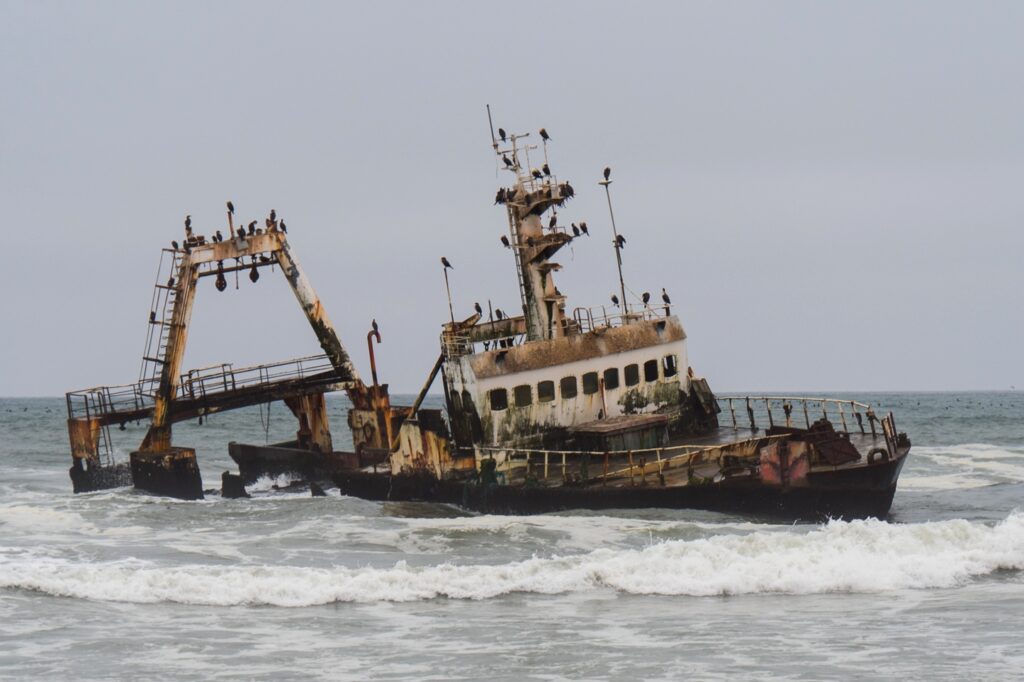
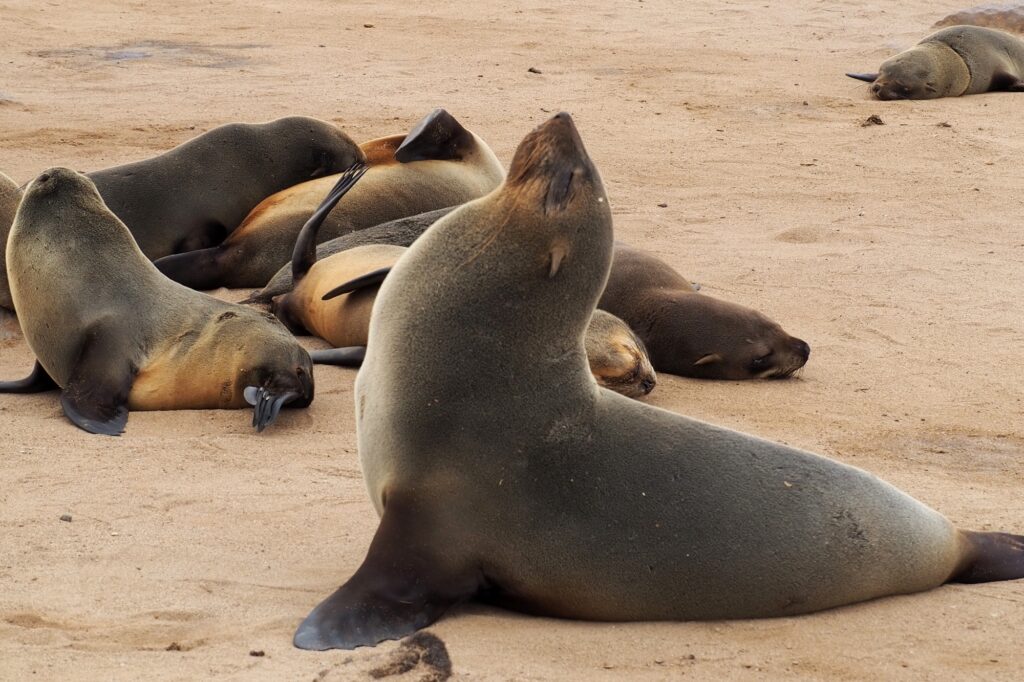
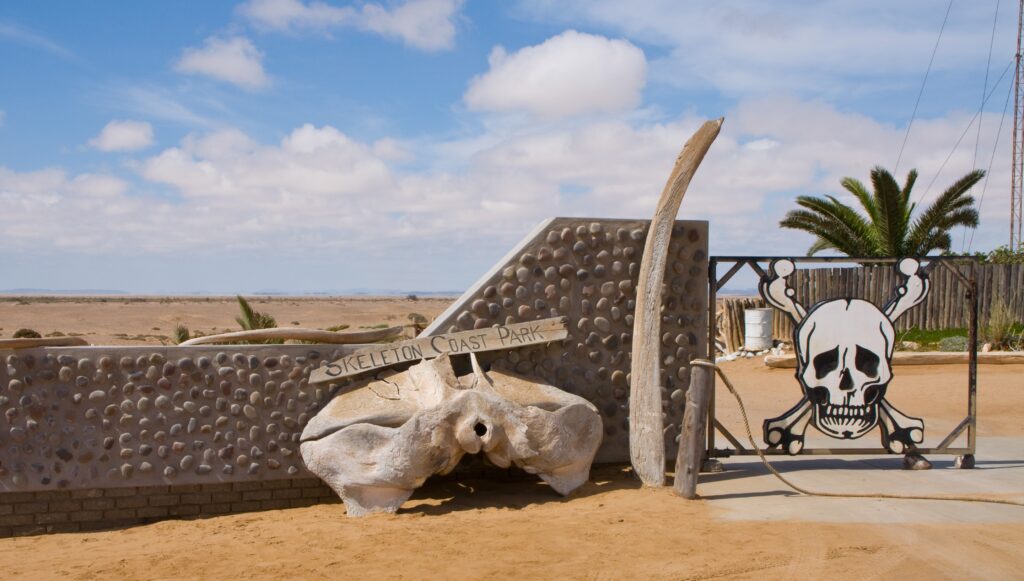
The journey to Cape Cross reveals one of Africa’s largest Cape fur seal colonies, where thousands of seals bask along the shoreline of the mysterious Skeleton Coast. Here, the cold Benguela Current meets the desert, creating an eerie landscape dotted with shipwrecks – silent testimonies to nature’s power.
Swakopmund offers a surprising German colonial charm amid the desert landscape. This coastal town serves as the adventure capital of Namibia, where adrenaline seekers can sandboard down massive dunes or kayak alongside dolphins.
The trip continues to Sesriem, gateway to the iconic red dunes of Sossusvlei. Here, dead acacia trees pierce the white clay pan of Deadvlei, creating one of Africa’s most photographed landscapes. In Aus, wild horses roam free against a backdrop of desert plains, while Southern Namibia culminates the journey with the Fish River Canyon – Africa’s largest canyon.
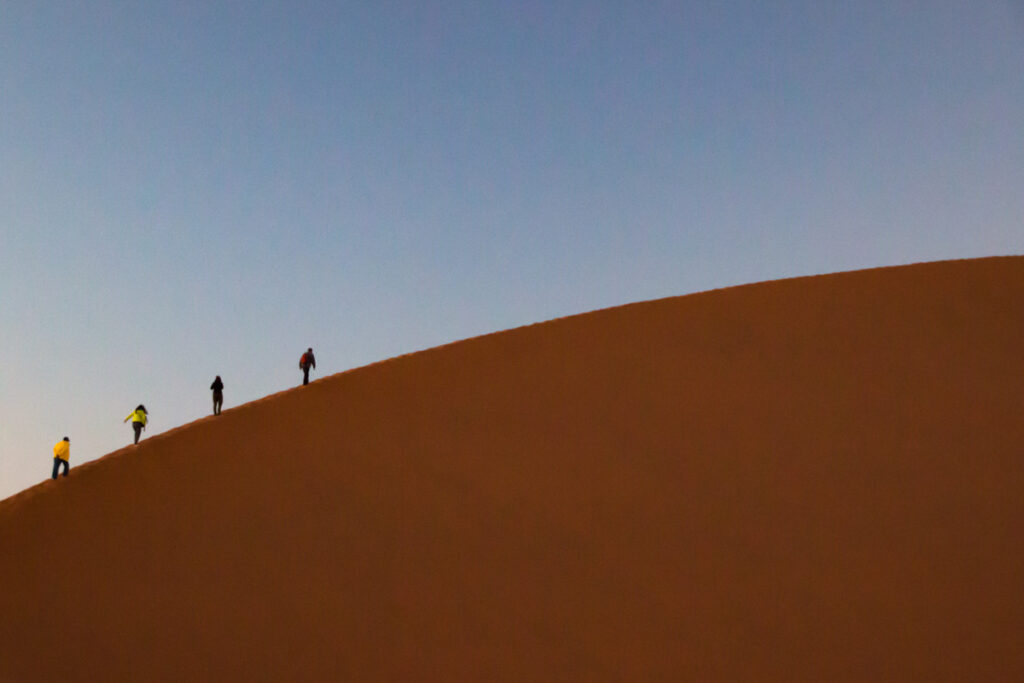
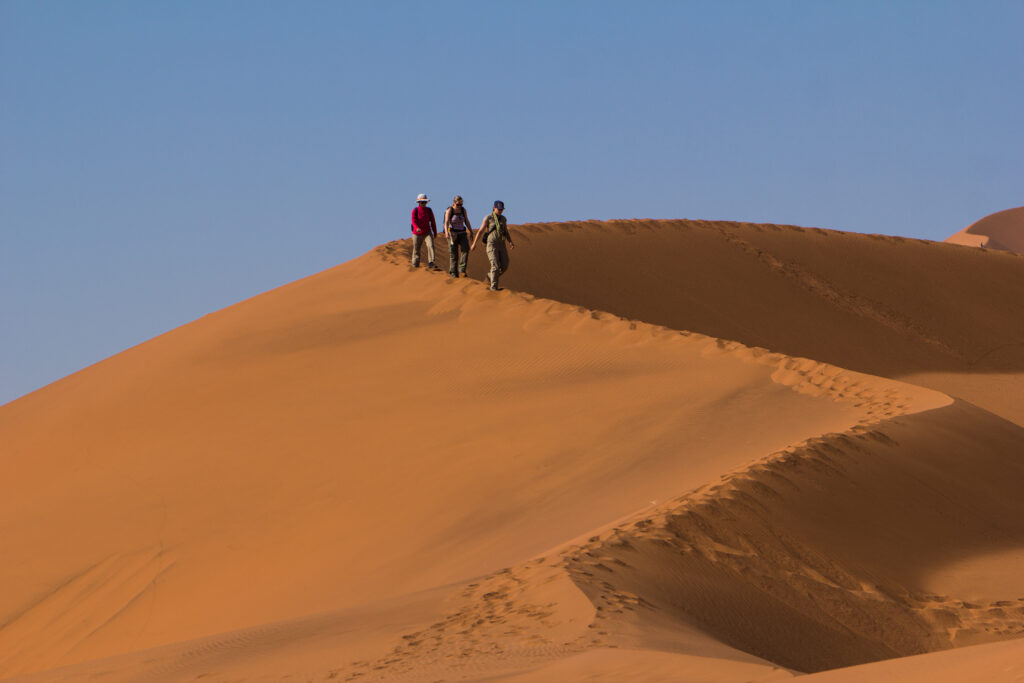
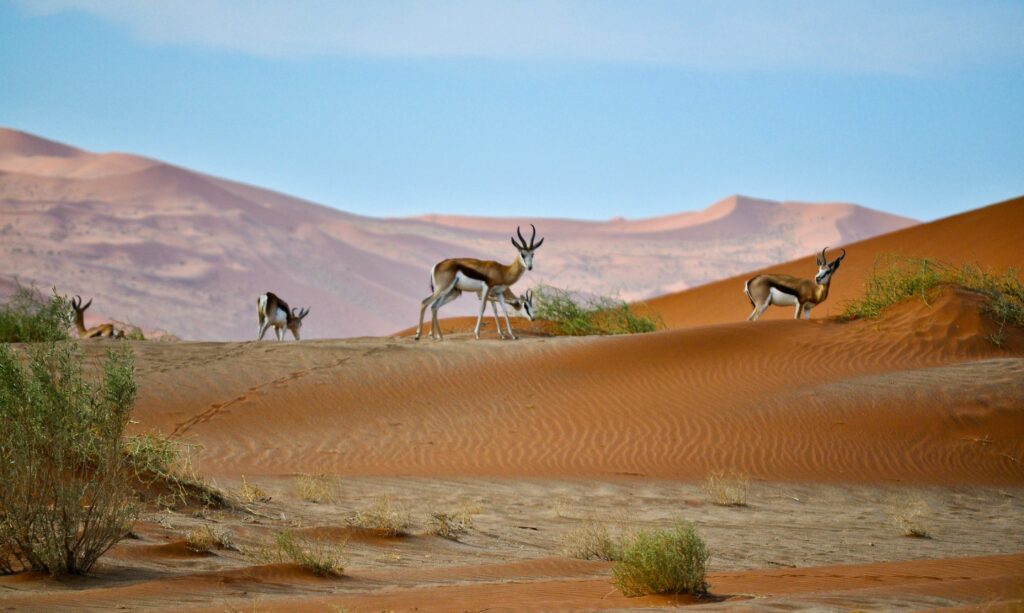
Throughout this journey, travelers witness an incredible array of wildlife: from desert lions and black rhinos to oryx and springbok. Desert elephants demonstrate remarkable adaptation to their arid home, while along the coast, flamingos and pelicans create splashes of color against the desert palette.
This is Namibia – where every turn reveals a new contrast, from the highest dunes to the deepest canyon, from barren coastlines to oases teeming with life. It’s a journey that challenges everything you thought you knew about Africa, desert ecosystems, and the resilience of life itself.
Fascinating Facts About Namibia
- Desert elephants in Palmwag can survive three days without water and skillfully dig wells in dry riverbeds.
- Wild horses near Aus, one of Africa’s few feral horse populations, have thrived in the desert for over a century.
- “Big Daddy” dune in Sossusvlei towers at 325 meters, with its deep red hue revealing its ancient age.
- Cape Cross hosts 210,000 seals during breeding season, thriving in the cold Benguela Current.
- Fish River Canyon, Africa’s largest, stretches 160km long and reaches depths of 550m.


0 Comments